The U.S. economy posted a robust 4.4% annualized GDP growth in Q3 2025, marking the fastest quarterly expansion in two years. Consumer spending and AI-related investment in data centers and hardware drove the strength, while exports rose and imports fell—a trade-policy-driven shift. Yet beneath these headline gains, the construction industry faces mounting headwinds that require strategic attention from owners, developers, and capital-project managers.

The Macro Picture: Strength Masks Fragility
The Fed's 2% inflation target remains elusive, and the labor market is described as "soft," with declining net migration and a "jobless economic expansion" underway. A 43-day government shutdown beginning October 1 delayed GDP reporting, and tariff uncertainty continues to weigh on business confidence. EY-Parthenon's chief economist Gregory Daco projects Q4 2025 growth around 3.2% annualized and full-year 2025 growth near 2.3%—reasonable but decelerating.
For construction, this deceleration matters.
What Q3's Strength Really Means for Builders
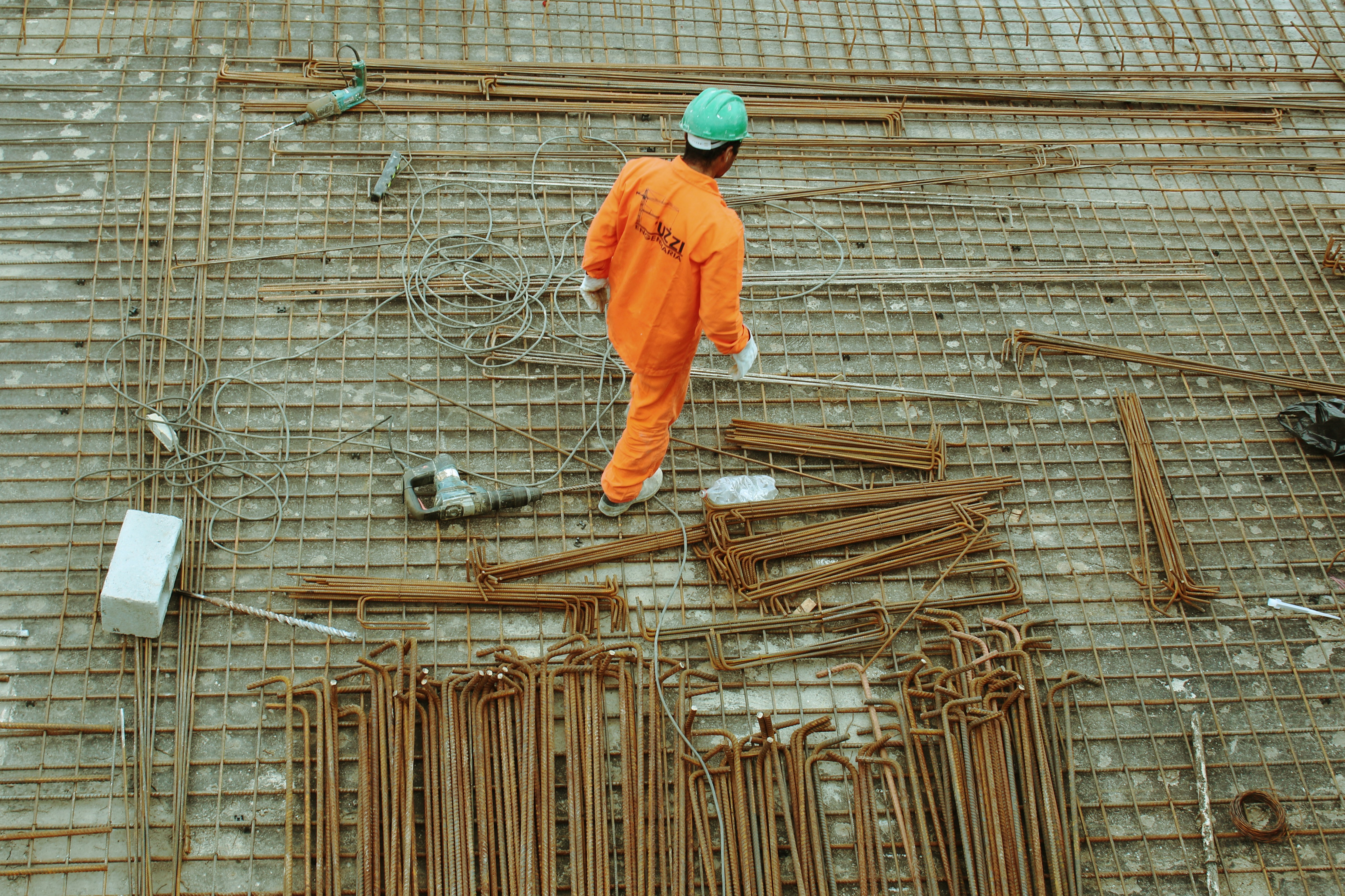
While GDP grew 4.4%, construction employment growth slowed to just 1.8% year-over-year in Q1 2025—the weakest in four years. The industry added only 8,000 jobs per month, a marked slowdown. The construction-in-progress backlog for ENR's Top 425 Owners rose 9.3% to $595.84 billion, signaling continued project activity. But here's the critical insight: the bottom 100 firms experienced a 24.2% jump in construction-in-progress while the top 100 saw only 9.3% growth. This suggests that mid-sized and smaller firms are capturing emerging opportunities, while mega-project pipelines may be facing headwinds.
Tariffs: The Real Construction Concern
While CEO and CFO sentiment around GDP growth is cautiously optimistic, tariff uncertainty is creating acute stress in the construction sector. The Trump administration's new tariff regime—up to 50% reciprocal tariffs on 90 countries and a 10% baseline tariff on all U.S. imports—took effect April 5, 2025. The immediate market reaction was severe: the U.S. stock market suffered its largest two-day loss on record.
For construction, the impact is concrete:
Material Cost Inflation: Steel, aluminum, copper, and lumber—all critical to construction—face tariff exposure. Even "exempt" materials will likely see short-term cost increases due to supply-chain disruptions.
Bid Validity Compression: Contractors have dramatically shortened bid validity windows, from 30 days to 5–10 days, to avoid being locked into unfavorable pricing.
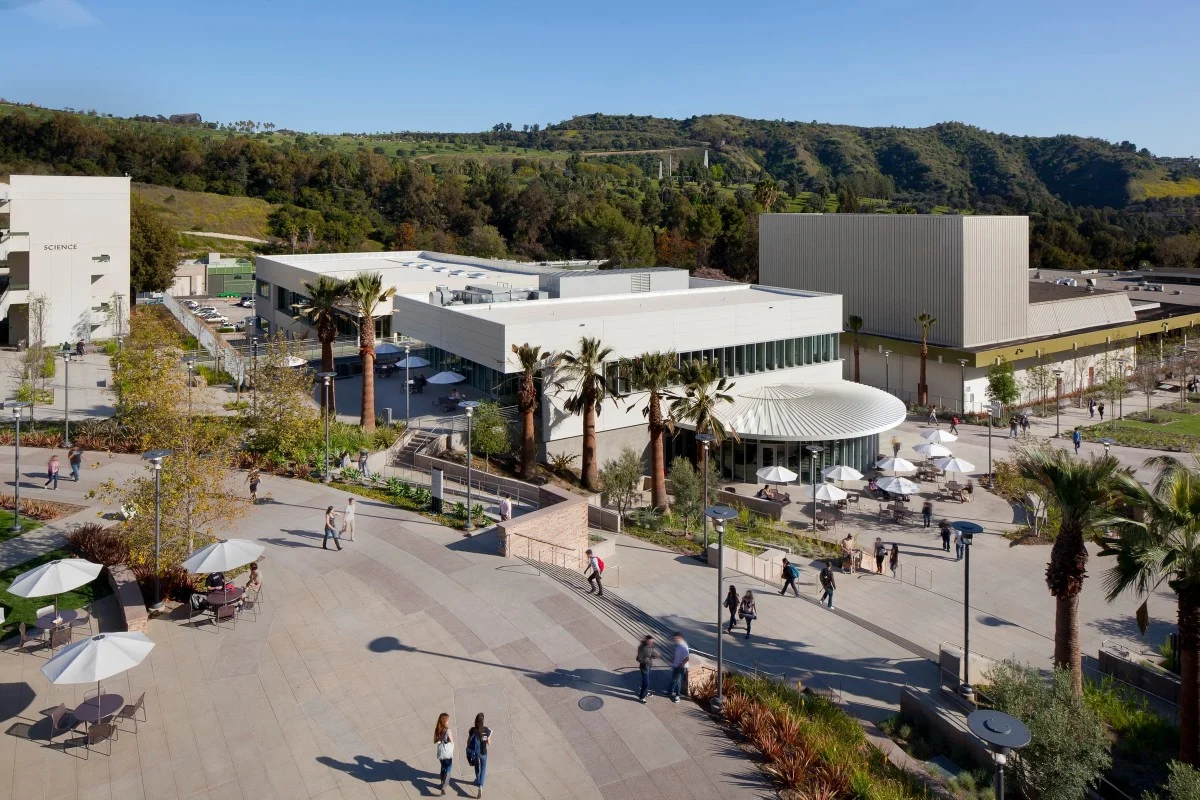
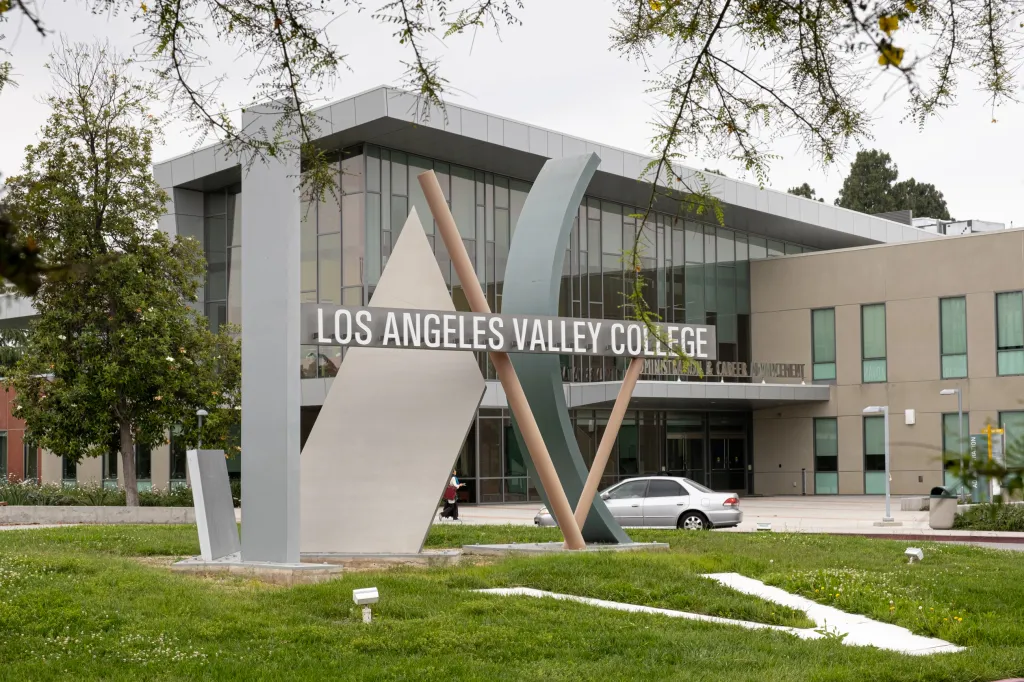
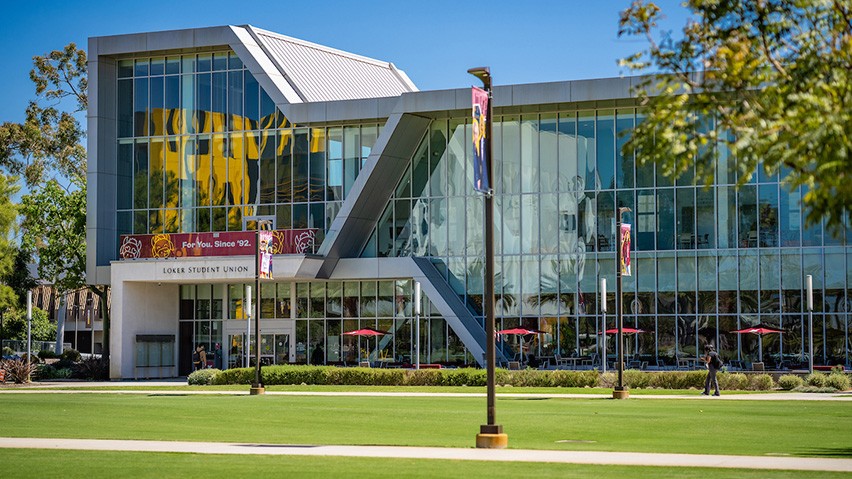
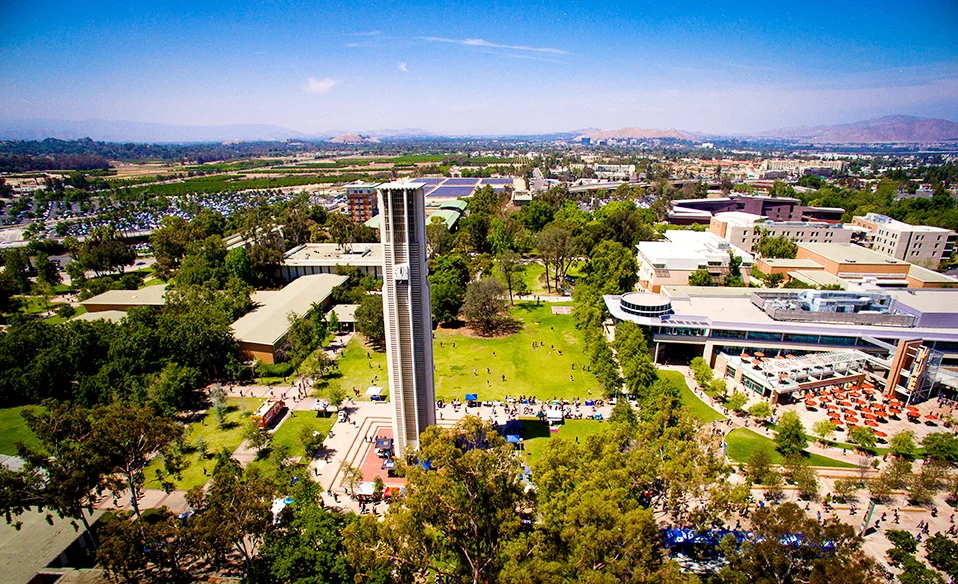
Owner Caution: Capital-project managers at universities, healthcare systems, and major developers are in a "wait-and-see" posture, hesitating to commit to projects until tariff certainty improves.




























What Smart Owners Are Doing
Forward-thinking owners are adapting strategically:
1. Early Procurement: Locking in material prices now, before tariff impacts cascade through supplier networks. A 90-day pause on tariffs won't address long-lead-time materials.
2. Flexible Contract Structures: Incorporating escalation clauses, material-substitution provisions, and force-majeure language that allows for adjustment if tariff regimes shift.
3. Phased Project Delivery: Breaking large projects into manageable phases, allowing owners to pause, accelerate, or modify scope as economic conditions clarify.
4. Alternative Material Evaluation: Exploring domestic sourcing, recycled content, and emerging low-carbon alternatives to reduce tariff exposure and cost volatility.
5. Transparent Stakeholder Communication: Lenders, operators, and board members want clarity on project viability and cost predictability. Regular updates on tariff exposure, material strategies, and schedule assumptions build confidence.
The Paragon Approach
At Paragon Construction Consulting, we position owners to navigate this complex environment. Our experience managing high-stakes projects during recession, market volatility, and regulatory uncertainty informs our strategic approach:
Proactive Risk Identification: We model tariff scenarios, material-cost sensitivity, and schedule risk to help owners anticipate and mitigate challenges.
Contract Strategy: We structure agreements that balance risk-sharing between owner and contractor while preserving flexibility and protecting margins.
Real-Time Adaptation: As conditions change (tariffs shift, materials become available, labor dynamics evolve), we pivot strategies and keep projects on track.
Stakeholder Alignment: We communicate transparently with lenders, operators, and board members to maintain confidence and unlock decision-making authority.
The Bottom Line
Q3's GDP strength is real, but it masks underlying construction-sector fragility. Tariff uncertainty, labor shortages, and material-cost volatility are the new normal. Owners who act decisively—with early procurement, flexible contracts, and phased delivery—will navigate these headwinds successfully. Those who wait for certainty will find themselves disadvantaged, facing higher costs, longer timelines, and reduced flexibility.
The future of construction in 2026 belongs to those who embrace adaptation, strategic planning, and proactive risk management. At Paragon, we help owners thrive in this environment.