All Insights

All Insights

Navigating Tariff Challenges in Construction Contracts: A Smarter Approach

Navigating Tariff Challenges in Construction Contracts: A Smarter Approach

Navigating Tariff Challenges in Construction Contracts: A Smarter Approach

Katelyn Fuchs

Katelyn Fuchs

In the ever-evolving construction industry, pricing stability is an illusion. Contractors today are once again bracing for material price spikes driven by proposed tariffs under the second Trump administration. While uncertainty looms, seasoned builders understand that preparation, not panic, is the key to navigating market volatility.

At Paragon Construction Consulting, we’ve spent decades helping developers and contractors protect their projects from unpredictable cost escalations. The good news? There’s already a playbook for managing tariff-related risks.

Lessons from the Past: How Contractors Are Adjusting

History has a way of repeating itself. During Trump’s first term, steel prices jumped 14% following the introduction of tariffs. Then, during the COVID-19 pandemic, material prices became wildly unpredictable, forcing contractors to push for escalation clauses in their contracts. What once seemed like an uphill battle became a necessity—owners had no choice but to acknowledge the need for these provisions.

Fast forward to today, and the industry is once again recognizing the importance of contractual safeguards. While price escalation clauses have seen pushback in recent years, the resurgence of tariffs is reigniting discussions on how best to mitigate financial risk.

Beyond Material Costs: The Real Impact of Tariffs

It’s not just about the money. Tariffs don’t just increase material prices—they delay shipments, disrupt supply chains, and extend project timelines. That means contractors need protection not only for cost increases but also for schedule overruns.

“Even if I can get compensated for increased material costs, how much longer will it take to receive those materials?” says Zack Rippeon, partner at Smith Currie Oles. “Time is money, and without proper contract provisions, contractors risk losing both.”

The Best Contract Strategies to Reduce Risk

So how do you protect yourself? Here’s what works:

1. Material Escalation Clauses

These clauses allow for price adjustments based on market fluctuations. They were once a hard sell, but after the pandemic, many owners are more open to their inclusion. Industry-standard contracts, like those from ConsensusDocs, now include material escalation addendums.

2. Change-in-Law Provisions

Tariffs qualify as government-imposed costs, which means they can often be negotiated under change-in-law clauses. If a tariff is enacted after contract signing, a well-drafted provision can allow for compensation.

3. Force Majeure Clauses (Use with Caution)

While force majeure clauses cover unforeseen disruptions, they typically provide schedule relief—not financial reimbursement. Contractors should be wary of relying solely on this provision for tariff-related costs.

4. Risk-Sharing Agreements

A growing trend is risk-sharing between owners and contractors. For example, an agreement might state that the owner covers the first 5-10% of a material price increase, while the contractor absorbs anything beyond that.

5. Cost-Plus and GMP Contracts

Lump-sum contracts leave contractors fully exposed to price fluctuations. Instead, cost-plus or Guaranteed Maximum Price (GMP) structures offer more flexibility, allowing for price adjustments under specific conditions.


Talk with a Construction Industry Veteran
Jeff Hall
President & CEO
Jeff Hall
President & CEO

Online

Online

Get in Touch

Get in Touch

Featured Projects

Irvine Spectrum Center

Marion Knott Studios

Cicerone Field at Anteater Ballpark

Finding Nemo Submarine Voyage

Palm Springs Convention Center

Sacramento Downtown Commons

University of Colorado Boulder

Rio Hondo College

Los Angeles Valley College

East Los Angeles Community College

University of California Irvine

California State University Fullerton

California State University Dominguez Hills

University of California Riverside

Cal State University Long Beach

Liberty Regional Medical Center

HCA Florida Lawnwood Hospital

Palmdale Regional Medical Center

Providence Healthcare Network

Providence Little Company of Mary Medical Center

Parham Doctor's Hospital

University of California Irvine Medical Center

Huntington Memorial Hospital

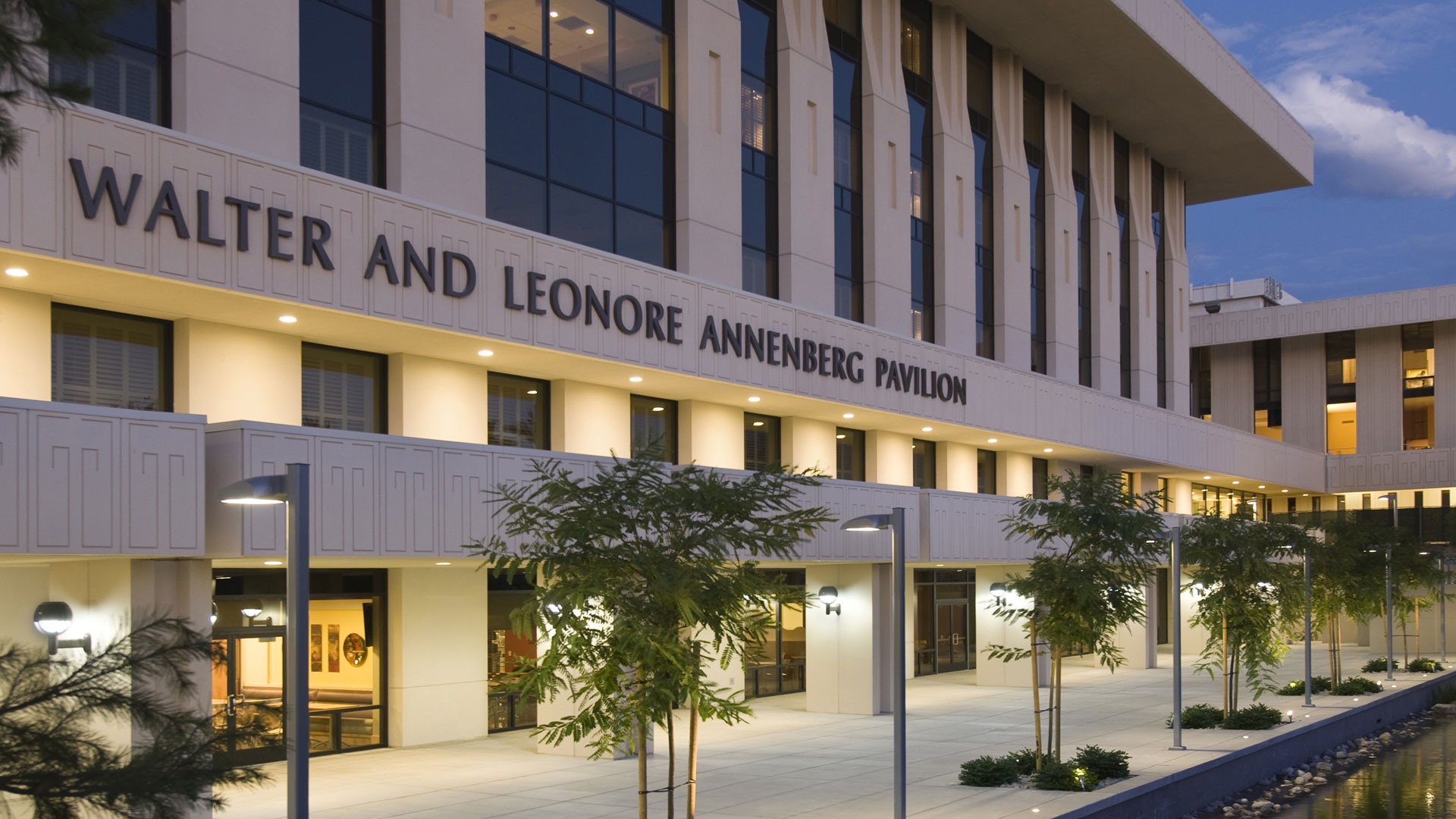
Walter and Leonore Annenberg Pavilion

Loma Linda Health Campus

The Fort Sutter Hotel Sacramento

The Ritz Carlton - Rancho Mirage

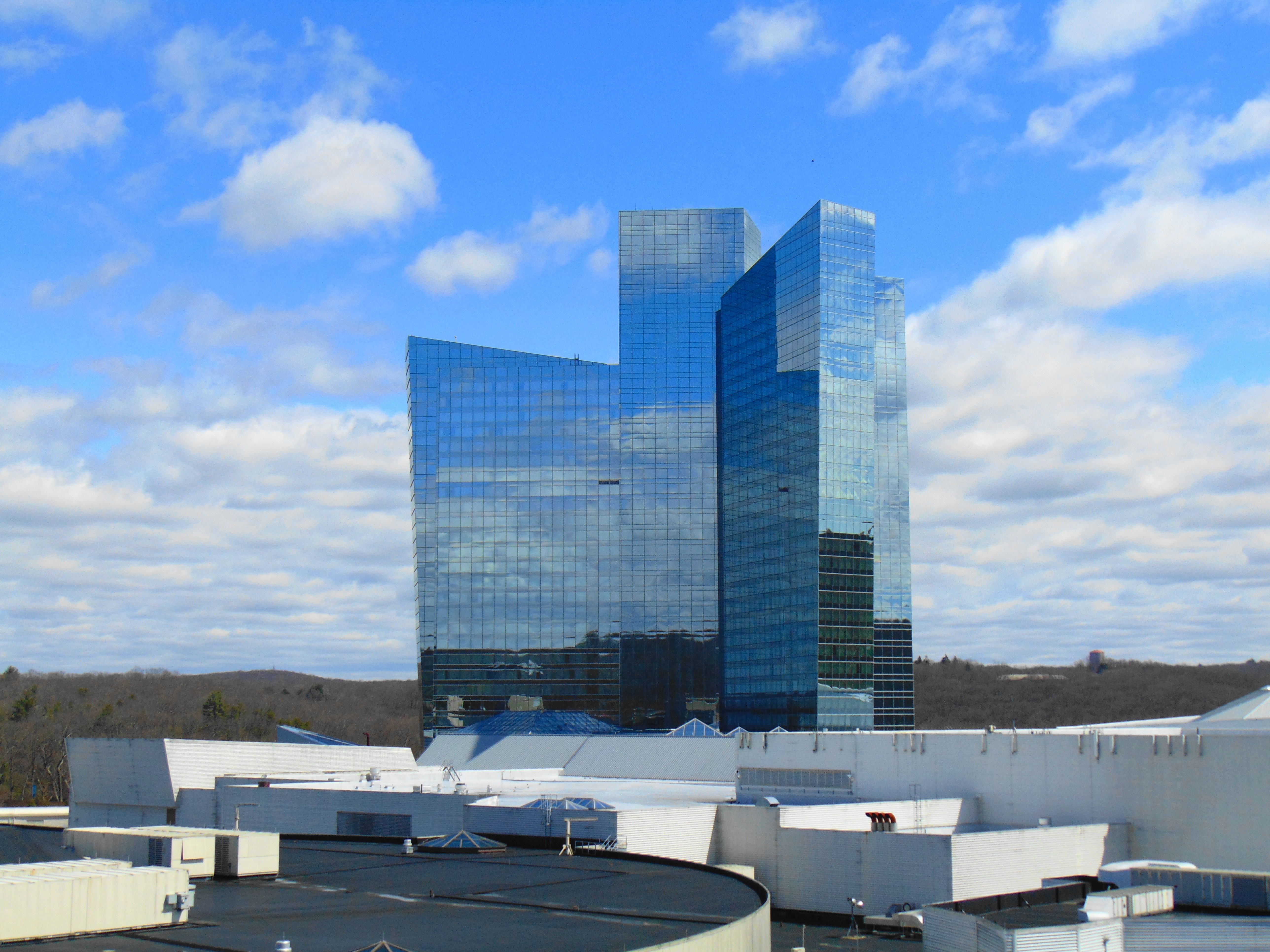
Mohegan Sun Casino and Resort

Kimpton Sawyer Hotel

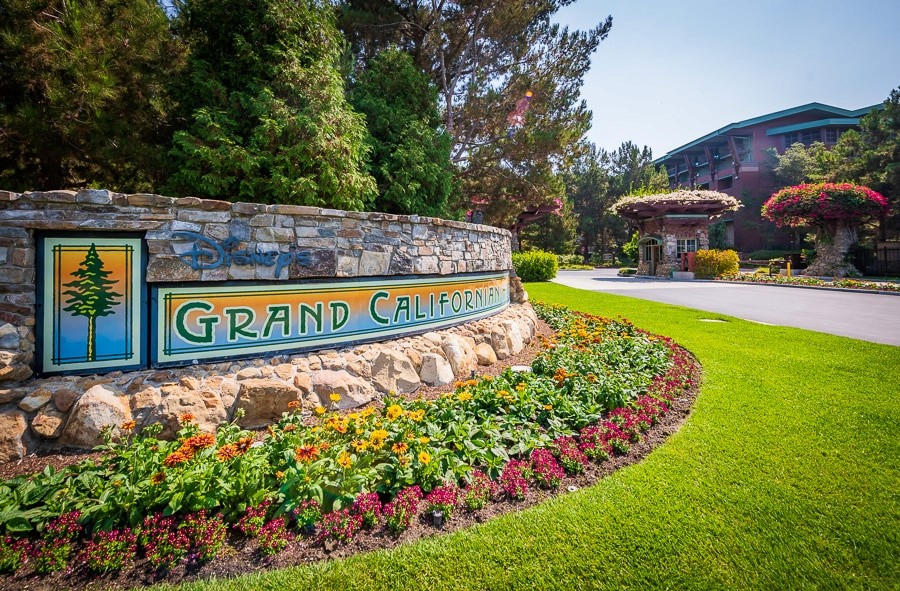
Disney's Grand Californian Hotel & Spa

The Ritz Carlton - Lake Tahoe

The Grand Del Mar

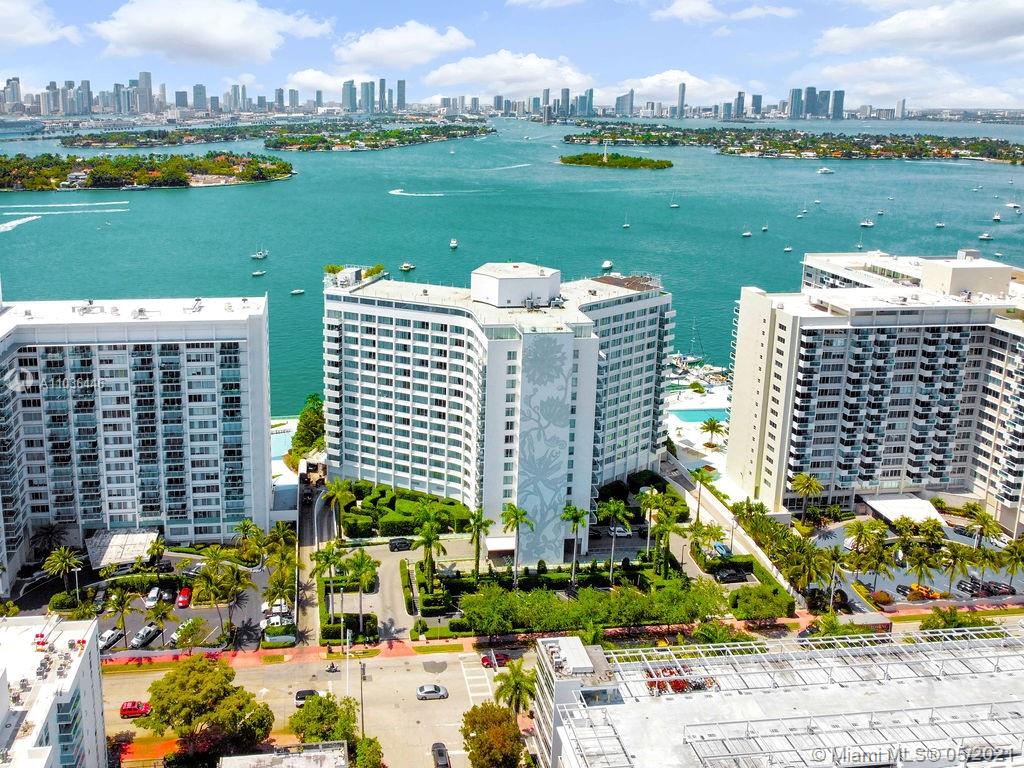
Mondrian South Beach

Omni Scottsdale Resort & Spa at Montelucia

8635 W. Metz Pl

2121 Avenue of the Stars

Sketchers Distribution Center

John Wayne Airport Security Expansion

Fairway Business Park

Northrup-Grumman Space Simulation Facility

Southwest Justice Center

RAND Corporate Headquarters

Nissan North America Headquarters

Pepeekeo Power Plant

Affordable Housing Initiative

King Abdullah Economic City

4810 Bradford

660 J St

The Residences at the Sawyer

4th West Apartments

Dublin Station by Windsor

Lido Villas

Battery Lofts Residential

Duet Apartments - Opus 31

Duet Apartments - Opus 29

Bellevue West Luxury Apartments

Flushing Town Center

The Bravern Signature Residences

75 Wall Street

All Projects

Breaking the Stalemate: What Owners Want

It’s no secret—owners resist tariff-related clauses. They see them as introducing cost uncertainty into their budgets. But ignoring the problem doesn’t make it go away. Contractors who insist on price escalation protections may lose bids to competitors who don’t—but that doesn’t mean they should back down.

Instead, contractors need to present risk-mitigation strategies as a win-win. Transparency and shared financial responsibility can keep projects viable while protecting both parties from catastrophic cost overruns.

A Smarter Way Forward

At Paragon Construction Consulting, we help owners and contractors navigate contract negotiations to minimize exposure to market volatility. Tariffs will come and go, but smart contract strategies ensure that your project remains on track—on time and on budget.

Have questions about protecting your next project from material cost volatility? Let’s talk. Our team is here to help you build smarter in uncertain times.
a group of construction workers

Construction's Labor Paradox—The Shrinking Demand Gap and What It Means for 2026 Project Delivery

a large amount of cargo containers are stacked together

The $1.7 Billion Tariff Hit — How Construction Owners Can Offset Material Cost Inflation in 2026

building covered in plants

The Green Materials Revolution — How Low-Carbon Alternatives Are Reshaping Construction Costs

fireworks display during night time

Southern California's 2026 CRE Boom — Strategic Opportunities for Developers and Investors

people using escalators

Q3 2025 GDP Strong, But Construction Faces Headwinds

A person waves the american flag proudly.

Workforce Gaps & Immigration Crackdowns

brown and white concrete building during daytime

Private Construction Slips Again — Is the Industry Entering a Midyear Stall?

100 us dollar bill

A Shifting Construction Recovery — Why 2025’s Comeback May Look Different Than You Think

a computer desk with a microphone and headphones on it

Construction Podcasts That Actually Matter

yellow and black heavy equipment on brown soil

Why Contractors Should Rethink 2026 Planning Now

Private Construction Delays and Abandonments Surge, Driving Project Stress to New Highs

California’s 2025 Energy Code: What Builders and Developers Need to Know Now

Hollywood Burbank Airport’s New Terminal Takes Flight with Speed and Style

California Becomes the World’s Fourth-Largest Economy — But Risks Loom Ahead

California’s Multifamily Crisis: A Costly Comparison Sparks Calls for Reform

Cash Flow Challenges Continue to Undercut Subcontractor Growth

Production Is Up, Prices Are Up—What Breaks First?

Construction’s “Golden Age” or Growing Pains?

Wildfire Recovery in Los Angeles

Preparing for Recession — How Construction Can Stay Resilient in 2025

Tariff Fallout — Why Contractor Confidence Is Faltering in 2025

Lumber Prices Surge — How Contractors Can Defend Against 2025’s Material Cost Hikes

Profits Under Pressure: Navigating Rising Material Costs Amid New Tariffs

Turner Ventures: Driving Innovation and Sustainability in Construction

Inflation Slows to 2.8% in February, But Uncertainty Remains for Construction

Construction Job Openings Drop 42% as Industry Braces for Uncertainty

The Return of Section 232 Tariffs: What It Means for the Construction Industry

Tariff Fears Drive Biggest Construction Cost Surge in Two Years

The Must-Attend Construction Conferences of 2025

Concert: The Modular Robot That Could Reshape Construction

Can La Quinta’s Luxury Resort Finally Move Forward?

Adapting to Policy Shifts: What Lies Ahead for the Construction Industry

Unveiling the Next Frontier in Digital Innovation

Redefining Government Efficiency Through AI: A New Era of Collaboration

Shaping Tomorrow's Foundations: Redefining Construction in the Digital Age

Rising from the Ashes: Building Resilience in the Face of Adversity

The Evolution of Construction: Unlocking Potential Through Innovation

New OSHA Rule Prioritizes Proper Fit for Construction PPE

Rethinking Modern Plumbing Fixtures: A Blueprint for Innovation

The Art of Reinvention: How Visionary Leadership Revitalizes Platforms

Building Momentum: Insights into Workforce Dynamics in Construction

Construction Industry in 2025: Key Trends and Opportunities

The Skilled Trades Talent Gap: Impacts on the Construction Industry

Navigating Construction’s Growing Challenges: Labor and Material Constraints

Rethinking Risk: The Hidden Pitfalls of Misaligned Metrics

Building the Foundations of Tomorrow: How Innovation is Redefining an Industry

Rewriting the Blueprint: How Sustainability Shapes Modern Construction Contracts

Building the Blueprint for Tomorrow’s Workforce

Reimagining the Construction Landscape: October 2024’s Milestones and Market Shifts

Building Momentum: Unveiling Los Angeles County’s Economic Catalysts

Weighing Progress Against Preservation: Housing Development Near Santa Barbara Mission

Labor Shortages and Strategic Shifts: Redefining Success in Construction

California’s $78 Billion Infrastructure Boom: Opportunities and Strategies for Industry Leaders

Navigating Potential Shifts in Construction Input Costs Amid Policy Changes

Industry Perspectives After the 2024 Election: Key Takeaways for Construction Professionals

California’s $10 Billion Education Revitalization: Building for the Future

2025: A Year of Transformation and Opportunity for Construction Firms

Construction Job Market Faces Seasonal Challenges Amid Storm Impacts

Navigating Uncertainty: How the 2024 Election Is Shaping Construction Decisions

Clayco Begins Construction on Landmark $300M Kali Hotel in Inglewood

Beyond the Ballot: How Society, Not Politics, Shapes Our Future

OCVibe Project: Anaheim Approves Housing Expansion, Reduces Office Space

Lumber Price Swings: What Developers and Owners Should Know About Construction Costs

Rethinking Homebuilding: How 3D Printing is Shaping the Future for Developers

Navigating Industrial Growth and Rural Preservation in Mead Valley

Electrifying the Future: How Commercial Construction Is Powering Up Sustainability

Interest Rate Reductions Ignite Growth in Construction Backlog

Hurricane Helene Unleashes Widespread Destruction, Months-Long Recovery Ahead

Balfour Beatty and Versarien Pioneer 3D-Printing Solutions for Civil Construction

Surf Parks Industry: Shaping the Future of Wave Riding in 2024

Disaster Relief and the Construction Industry’s Role in Rebuilding Communities

Breaking Barriers: Introducing Young Women to Construction

Could Gen Z Be the Next Toolbelt Generation?

Unveiling Los Angeles’ Digital Real Estate Boom

Air Force Innovates Military Housing with First Commercial Apartments in California

The Commercial HVAC Market: Energized by Data Centers and Smart Technologies

DOE’s $90M Initiative to Shape the Future of Building Efficiency

Virginia Tech Pioneers New Construction Safety Leadership Degree

Emerging Cybersecurity Threat Targets Construction Accounting Systems

Construction Input Costs Begin to Settle

The Hidden Costs of Rushing Construction

Essential Construction Conferences and Expos to Attend in Late 2024: Your Guide to Industry Growth and Innovation

Manufacturing’s Growth Surge: Key Projects Shaping the U.S. Construction Landscape

Building Momentum Amid Workforce Challenges: A New Landscape for Construction Firms

Meyer Burger Pulls Back on Ambitious U.S. Expansion Plans Amid Market Volatility

Surge in Construction Project Abandonments and Delays

From Sun Belt to Snow Belt?

Major Developments in California's Rail Projects for 2024

The Largest Construction Groundbreakings of Summer 2024

The Impact of Japan's Weakening Yen

The Instability of Construction Job Openings: A Closer Look

U.S. Consumer Prices Hold Steady Spring 2024

U.S. Consumer Prices Hold Steady Spring 2024

The CMAR Delivery Method

The CMAR Delivery Method

Embracing Potable Water Reuse

Embracing Potable Water Reuse

Construction’s Evolving Legal Landscape 

Construction’s Evolving Legal Landscape 

CTA Image

Want the latest information on construction materials?

Subscribe to the Paragon Post

Want the latest information on construction materials?

Subscribe to the Paragon Post

CTA Image

Want the latest information on construction materials?

Subscribe to the Paragon Post